
B’reishit: Alone
Being divided into two parts allows people to examine themselves from an outside perspective.
 Magazine

Being divided into two parts allows people to examine themselves from an outside perspective.

The task of all the generations following Moshe (including our own) is to manifest & illuminate all of the powerful ideas hidden in Israel’s Torah.
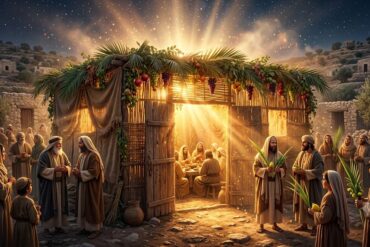
If the Torah shows us Sukkot taking place during the Exodus from Egypt, why do the children of Israel delay its celebration for a full six months?
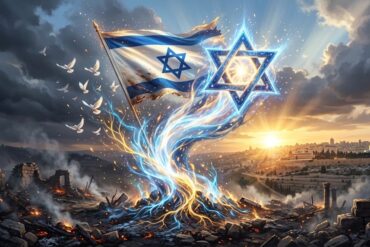
The prophetic message of the Ha’azinu Torah portion clarifies the complicated relationship between Israel’s behavior & our inner Segula.
There appears to be a contradiction between the words of our sages in Pirkei Avot & in the Talmud.
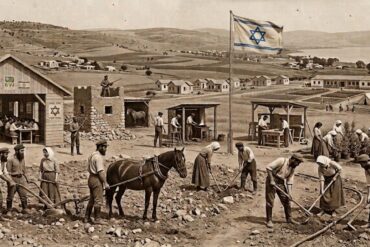
Approaching the individual tshuva of observing the Torah’s commandments as a deeper expression of Israel’s national tshuva is what actually protects us from lapsing back into our misguided former ways.
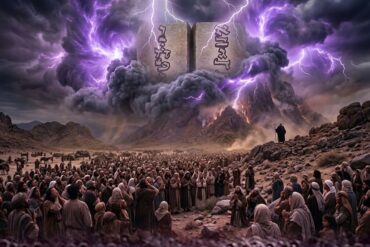
Torat Eretz Yisrael stems from earthliness, from life itself, without any feelings of external coercion.

Coping with the difficult reality of our wars & their relevant laws elevates us to higher ethical horizons.

The Torah of the king allows us to experience Divine revelation through national & international affairs.

When the children of Israel choose to conduct ourselves according to the Torah – according to our true inner nature – we reveal & express the inherent holiness of the segula in our collective soul.

If the land was given to Israel due to the righteousness of our ancestors, are later generations required to maintain at least a minimum level of righteousness in order to remain?
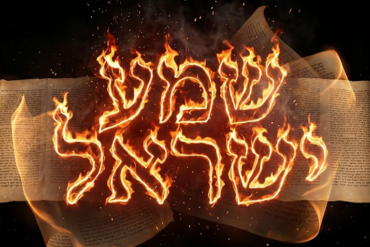
A person who truly recognizes that ‘HaShem is One’ lights up with an inner glow that causes the people he interacts with to also love the Creator.