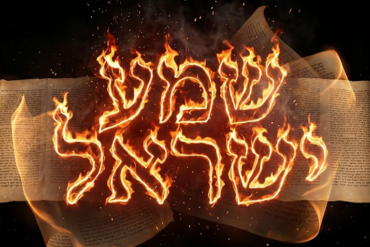
V’et’ḥanan: Levels of Love
byA person who truly recognizes that ‘HaShem is One’ lights up with an inner glow that causes the people he interacts with to also love the Creator.
 Magazine
A person who truly recognizes that ‘HaShem is One’ lights up with an inner glow that causes the people he interacts with to also love the Creator.

Unlike Kalev, who believed in the power of the people to rise up & wage war, Moshe believed that Israel required miraculous assistance to succeed.
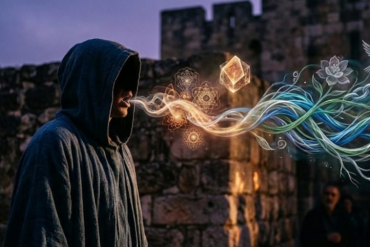
Our speech is not merely a natural skill but actually an extension of the Divine speech of the Creator.
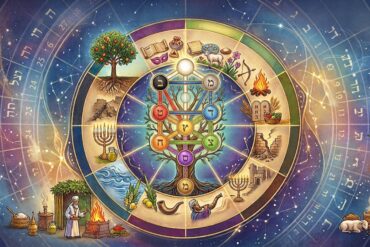
The set order of Divine guidance is revealed through festivals on our calendar & their unique korbanot.
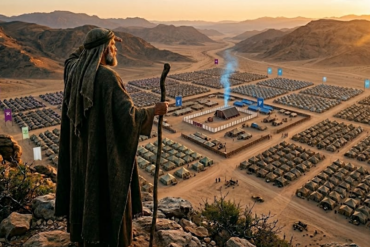
Great hostility towards the nation of Israel manifests at historical moments when we prepare to assume a serious leadership role on the world stage.
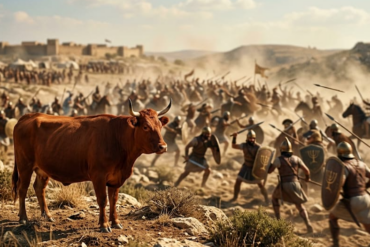
Purification from the impurity of death is achieved through the mysterious ritual of the Red Heifer.
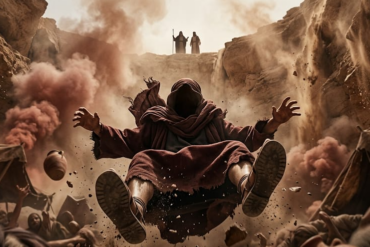
Shmuel might’ve superficially appeared to institute Koraḥ’s ideal anarchistic society. But his actions ultimately led to stronger national institutions.
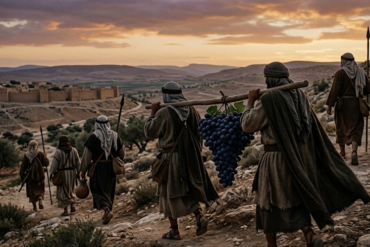
Due to their deep love & genuine concern for the people of Israel, the spies committed a terrible transgression that still holds lessons for us today.
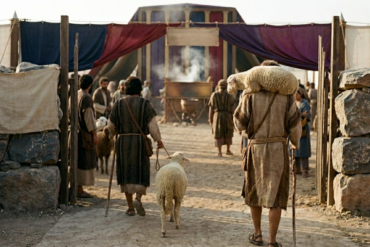
A second chance is offered for one very important mitzvah because being part of the nation of Israel requires one to deeply self-identify as having been personally liberated from slavery in Egypt.
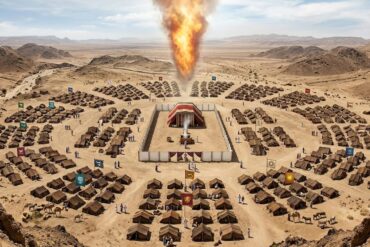
The Torah’s different ways of addressing the personal crises people face might carry a dangerous side effect of too heavily focussing on the individual.
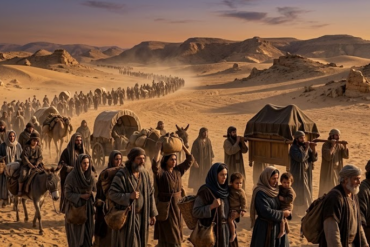
When confronting the challenges of Bamidbar, the Torah strikes a balance between the value of the individual & the importance of the collective.
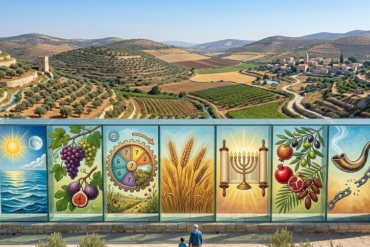
Within the framework of nature, six represents creation & the seven represents a goal to be achieved within creation. Eight is beyond nature.