
An Interview with Daniel Gordis
byDaniel Gordis shares his understanding of ‘Biblical statesmanship’ while exploring the concept as it applies to Israel’s past & present leadership.
 Magazine
Daniel Gordis shares his understanding of ‘Biblical statesmanship’ while exploring the concept as it applies to Israel’s past & present leadership.

As the State of Israel’s longest conflict, the first Lebanon War stretched the fabrics of Israeli society.

The Vision movement often references the concept of ‘Hebrew Universalism’ as a new stage of Jewish liberation – but what does this term actually mean?

How do historic events create obligations? And why is it necessary for the people of Israel to rejoice?
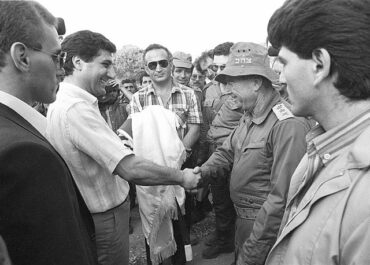
How Israel’s Lebanon strategy spiraled out of control with the assassination of Bachir Gemayel and the massacres at the Sabra & Shatila camps.
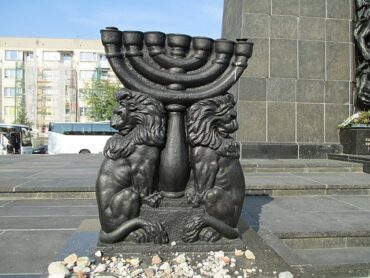
What makes Yom HaZikaron l’Shoah v’laGvura different from other days on the Hebrew calendar that commemorate the Nazi Holocaust?
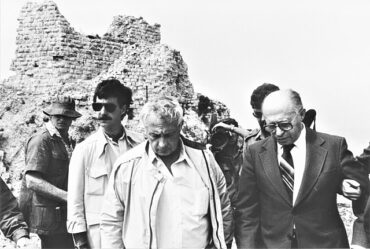
Ariel Sharon chased Yasser Arafat into a siege at Beirut – where he discovered that Israel’s Maronite allies were not as dependable as he had hoped.
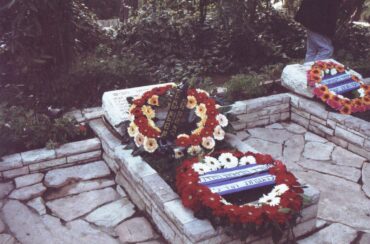
How did the young fighters executed during Israel’s anti-colonial struggle against British rule effectively cure the Jewish people of its ancient curse of fear?
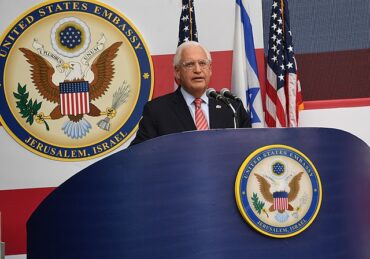
In sharing his thoughts on crafting the Trump administration’s policy for Israel, former Ambassador David Friedman avoids the core contradictions between Israeli & US interests.
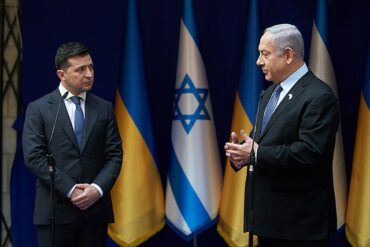
What defines a leader in the Jewish people’s story?
Since accomplishing its revolutionary historic role, has Zionism slid back towards an assimilationist impulse aimed at transforming the State of Israel into a ‘normal’ state on the international stage?
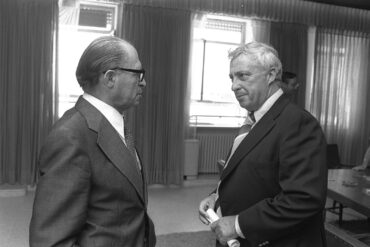
Understanding the Lebanon War requires us to examine the explosive combination of Lebanon’s tumultuous history with Begin’s questionable decision to hand Ariel Sharon the defense ministry.