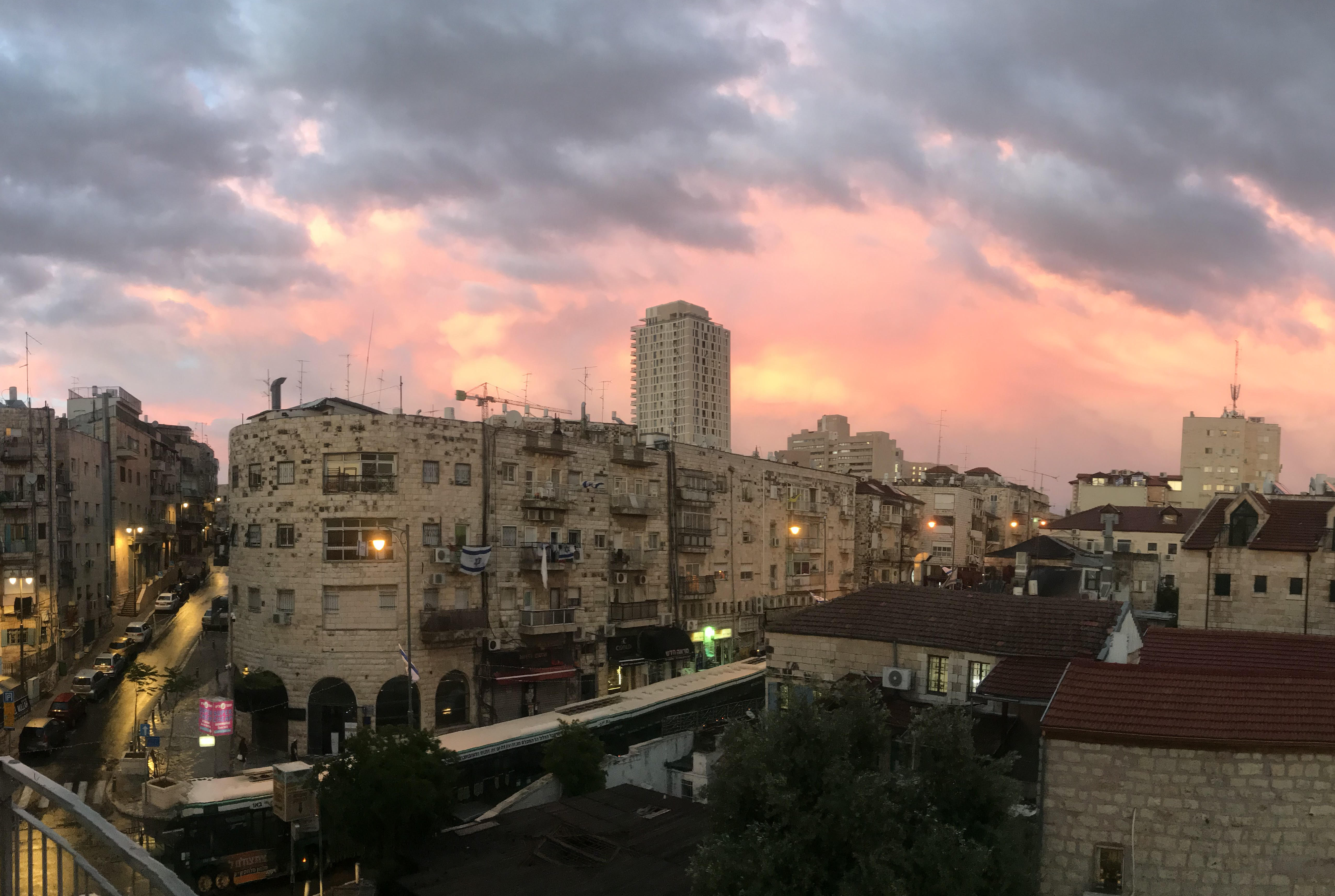

The Karman Line
The Karman Line is an imaginary boundary marking the edge of space, about 60 miles above the Earth, where the atmosphere becomes too thin to sustain life.
Between Israel and many Diaspora Jews, there exists a similar “Karman Line”—a psychological divide separating lived reality from perception.
One Psyche Story
Anna is a Jewish woman in her mid-30s living in New York, a skilled mental health professional well-versed in both her craft and Jewish identity. She had never been to Israel before joining a ten-day trip with other Jews from the United States and Canada.
Thoughtful and expressive, she admitted in our online Jewish therapist group: “I’d be a liar if I said I wasn’t scared, going into a war-zone. I don’t know anyone in Israel, even in my group. My clients don’t even know I’m Jewish. Wish me well.”
For two weeks we didn’t hear from her. During that time, the news from Israel told of missile attacks, massacres, and frightened families. Media coverage in the US, however, was dominated by political bickering and shallow commentary, rarely touching on daily Israeli life or emotional survival—the very substance psychotherapists examine.
When Anna returned, she shared: “I visited the places where Jews were massacred — Kibbutz B’eri and the Nova music festival. It was horrible. Most others on the trip went to the beach instead.”
She added: “I felt safer in Israel than in New York. Everyone talked to everyone, nobody cared what type of Jew I was. Now I have to decide if I’ll tell my clients I’m Jewish and that I loved being in Israel.”
The Psyches
Since October 7, 2023, Israelis have lived with direct trauma: killings, displacement, air raid sirens, and the strain of seemingly endless military service on families and communities.
Diaspora Jews, by contrast, experience trauma more indirectly — through media, identity struggles, anti-Semitism, and online propaganda demonizing Israel.
Immediately after October 7, Israeli medical professionals volunteered en masse to provide trauma care for survivors and evacuees, supported by specialized training.
Diaspora Jews responded with fundraising, volunteer trips to Israel, online support groups, and coping with professional “canceling” for being Jews.
Israeli professionals faced overwhelming demand and burnout, while also navigating tensions between Jews and Palestinians.
US Jews faced less physical danger but more social ostracism and identity conflict.
Israelis often struggle to grasp the Diaspora dilemma, while Jews in North America struggle to understand the unrelenting Israeli experience.
Israelis live with continuous trauma; Diaspora Jews endure secondary, persistent stress.
I have been in telemedicine sessions with non-Jewish American clients when missile sirens forced me to run to a bomb shelter. Returning ten minutes later, I often found them shaken — experiencing their own “secondary trauma” – often tied to personal histories of abuse.
Israelis have learned to live with terror, missiles, and condemnation while still presenting as “well-adjusted,” shielding children from fear. Their motto: “If we become terrified, the terrorists win.”
Diaspora Jews, meanwhile, focus on identity, polarization, guilt, and community trauma.
On a recent tour of a rehabilitation center in Petah Tikva, I observed the care given to released hostages and Israeli soldiers. The communal, integrated approach stood in stark contrast to the segmented, hierarchical model I know from the US.
The Jewish Karman Line
In one of our online therapist meetings, I had to excuse myself mid-session when Iron Dome interceptions and sirens erupted over Jerusalem. On my return, colleagues were shaken — some crying, others numb.
Well-informed but not immersed, they still felt the shock of my daily reality.
At a later meeting, Anna reflected: “The community difference is so stark. I struggle to find the right tone with my American counterparts. I’ve fallen in love with Israel — from a community and connection standpoint. There’s a depth that transcends secular-religious divisions. Jewish spaces, language, and legitimacy are unquestioned. Yes, there’s the threat from hostile neighbors, but there’s also loyalty, pride, and fierceness that I respect and fell in love with. I felt the intensity of Israelis and the sense of tribe—that’s one of the reasons I fell in love instantly.”
Closing
The “Karman Line” dividing Israelis and Diaspora Jews is real.
Israelis bear the constant weight of war, yet cultivate resilience and community.
Diaspora Jews grapple with identity, perception, and distance from that lived experience.
Bridging this psychological divide requires empathy on both sides. Israelis must understand the struggles of Jews abroad, while Diaspora Jews must recognize the intensity of the Israeli reality.
Only then can we begin to cross our shared Karman Line.