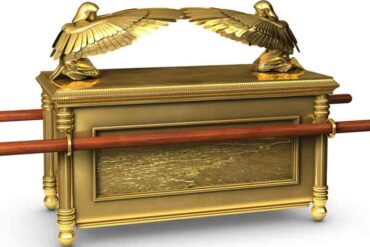
T’ruma: Mystery of the Kruvim
What can the Mishkan teach us about the ways Divine revelation is channeled into our world?
 Magazine

What can the Mishkan teach us about the ways Divine revelation is channeled into our world?
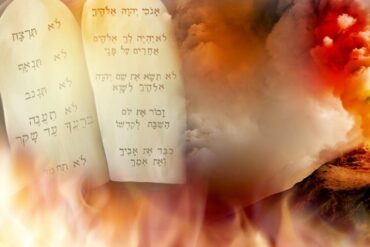
How should we understand the difference between the Written Torah and the Oral Torah within the context of Israel’s identity and development?
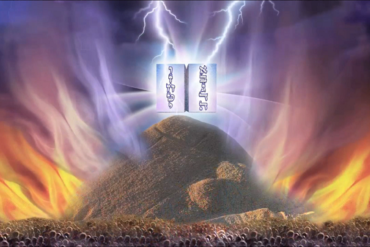
Why were the Hebrews so surprised by the sudden realization that they would receive the Torah as a set of laws & a mission for the rest of humanity?
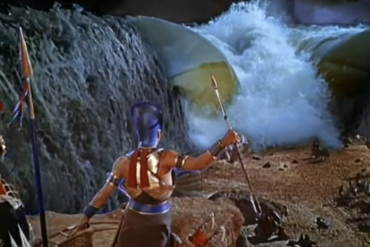
Between the smashing of Egypt’s military at the Sea of Reeds and the war against Amalek at Rephidim, the Hebrews had to develop a national perception of emuna in preparation for receiving the Torah.

What were the necessary steps for Israel to develop a national consciousness ahead of leaving Egypt?
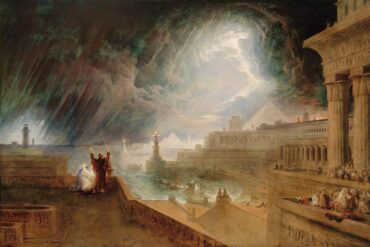
The ten plagues were part of a deliberate process to educate not only Egypt and Israel but also humanity.

After despairing of a slave revolt, did Moshe seek to create a new nation in Midian to replace Israel?
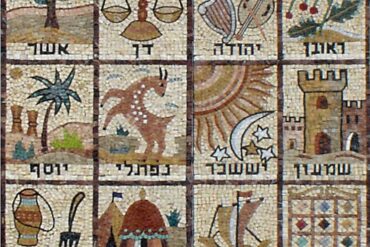
What are the individual contributions of each Hebrew tribe to Israel’s national collective?
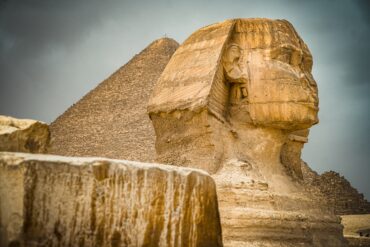
Did Yosef use the famine to bring his family down to Egypt in hopes of implementing an alternative approach to the Hebrew mission in the Diaspora?
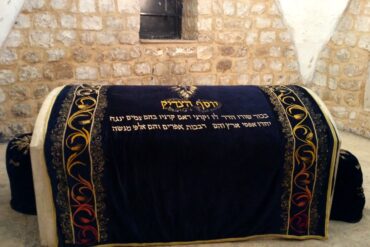
Did Yosef seek to transform Egypt into a civilization built on Hebrew values that would repair the world?

As internal conflict over the Hebrew clan’s direction leads to tragic consequences for Yosef and Yehuda, each must discover his own messianic potential.

As Yaakov returns back home to his land, he and his family are met with new challenges that ultimately transform them into the nation of Israel.